

Every gimbal on the market stabilises around a point somewhere near the camera. The Letus Helix stabilises around the optical centre of the lens — and that single design decision is why it won best gimbal and best pro-video equipment against a field of 1,700 products.
It also means the buying decision is different from every other gimbal. You are not choosing a payload rating. You are choosing how many axes you actually need motorised, and that depends on what your shots do.
What the axes actually do
Start from the shot, not the spec sheet:
- 1 axis (roll) — keeps the horizon level. This is the axis that ruins handheld footage fastest, because a tilted horizon reads as a mistake to every viewer, even one who cannot name what is wrong. A 1-axis Helix with auto-horizon fixes the most visible problem and leaves pan and tilt in your hands, where a good operator wants them.
- 2 axes (roll + tilt) — adds vertical smoothing. Worth it if you walk with the camera over uneven ground.
- 3 axes (roll + tilt + pan) — full stabilisation. Necessary when you are running, following action, or shooting from a moving vehicle.
“More axes is not better. More axes is more weight, more batteries, and more between you and the camera.”
Plenty of documentary and narrative operators shoot a whole career on 1 axis, because they want the human quality in pan and tilt. A fully motorised 3-axis rig makes every move look the same — sometimes that is the goal, sometimes it is the problem.
The range
| Configuration | Price | What it stabilises | Who it suits |
|---|---|---|---|
| Helix 1-Axis PRO | $3,999 | Roll (auto-horizon) | Operators who want to keep pan and tilt by hand |
| Helix 1-Axis PRO Bundle | $4,999 | Roll, with the accessories included | Same, buying complete in one go |
| Letus Helix PRO | $4,999 | Full modular 1/2/3 axis | Crews who need to reconfigure per job |
| Letus Infinity | $12,000 | Flagship, handheld mode | High-end production, heaviest cine payloads |
Helix 1-Axis PRO — $3,999
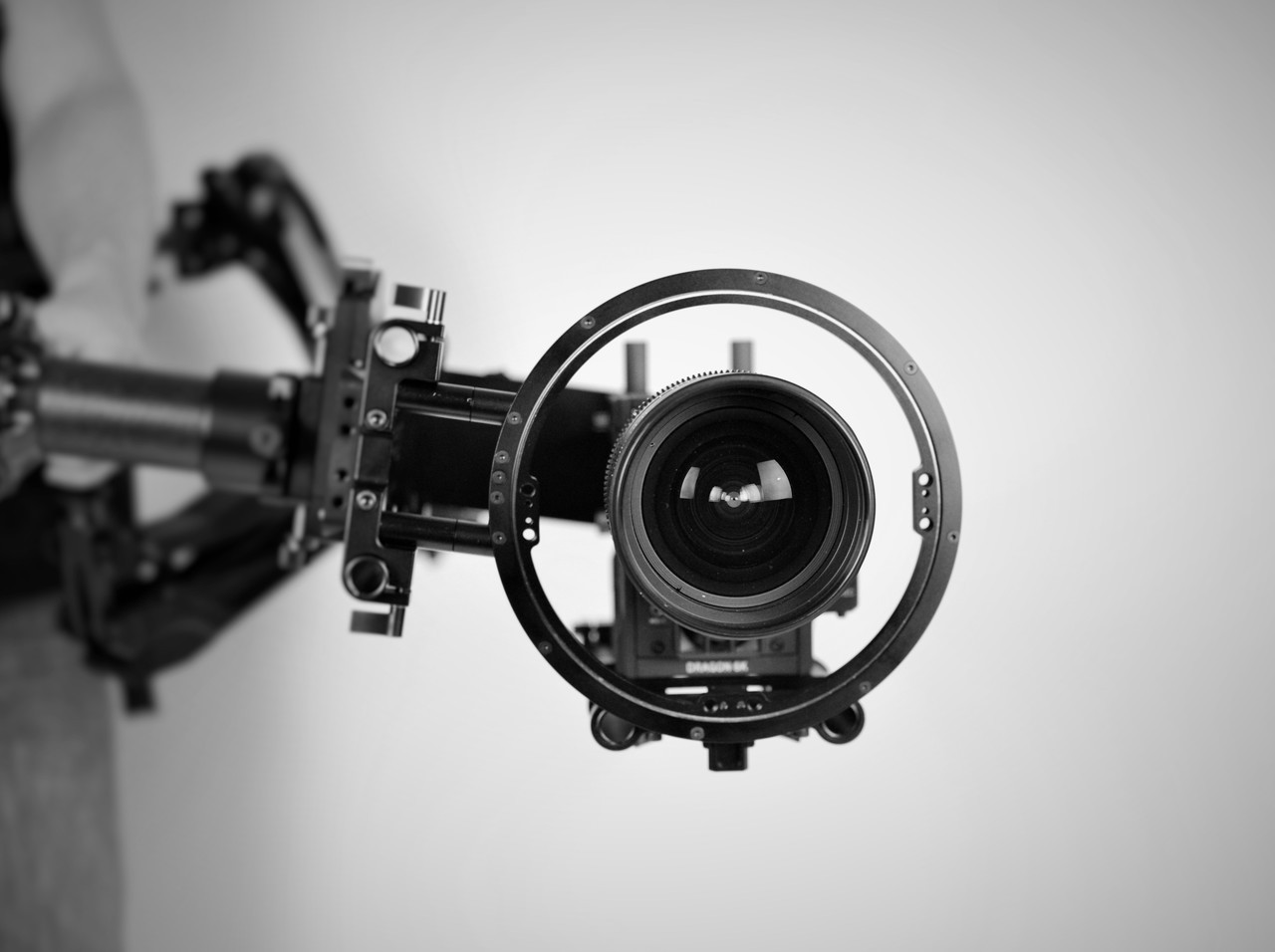
One motorised axis, and it is the right one. Auto-horizon holds the frame level while you keep the feel of a real operator in pan and tilt. For documentary, event and most narrative work this is the configuration that gets used — and it is the one people keep after they stop carrying their 3-axis rig.
See the Helix 1-Axis PRO →Letus Helix PRO — $4,999
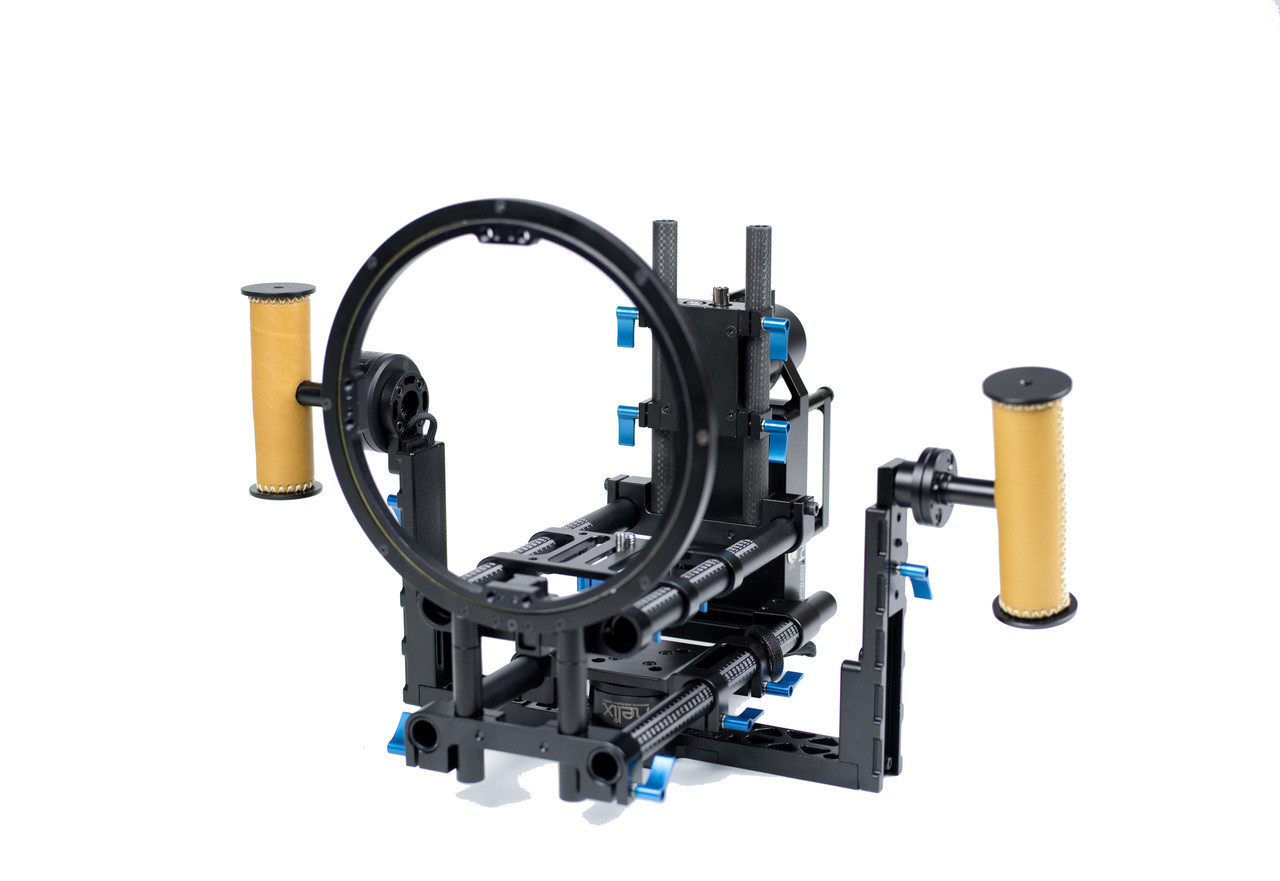
The Helix PRO is built to be reconfigured. Shoot 1 axis on a dialogue day, add axes for a chase sequence, strip back down for travel. The optical-centre design means balance survives a lens change instead of demanding a full rebalance, which is the difference between a lens swap that takes a minute and one that takes fifteen.
See the Letus Helix PRO →Letus Infinity (Handheld mode) — $12,000

The Infinity is the top of the line, for productions where the camera package is heavy and the shot list is unforgiving. If you are asking whether you need it, you probably do not — the people who need it already know.
See the Letus Infinity →Already own a Helix?
Helix Standard to Helix PRO upgrade — $2,500
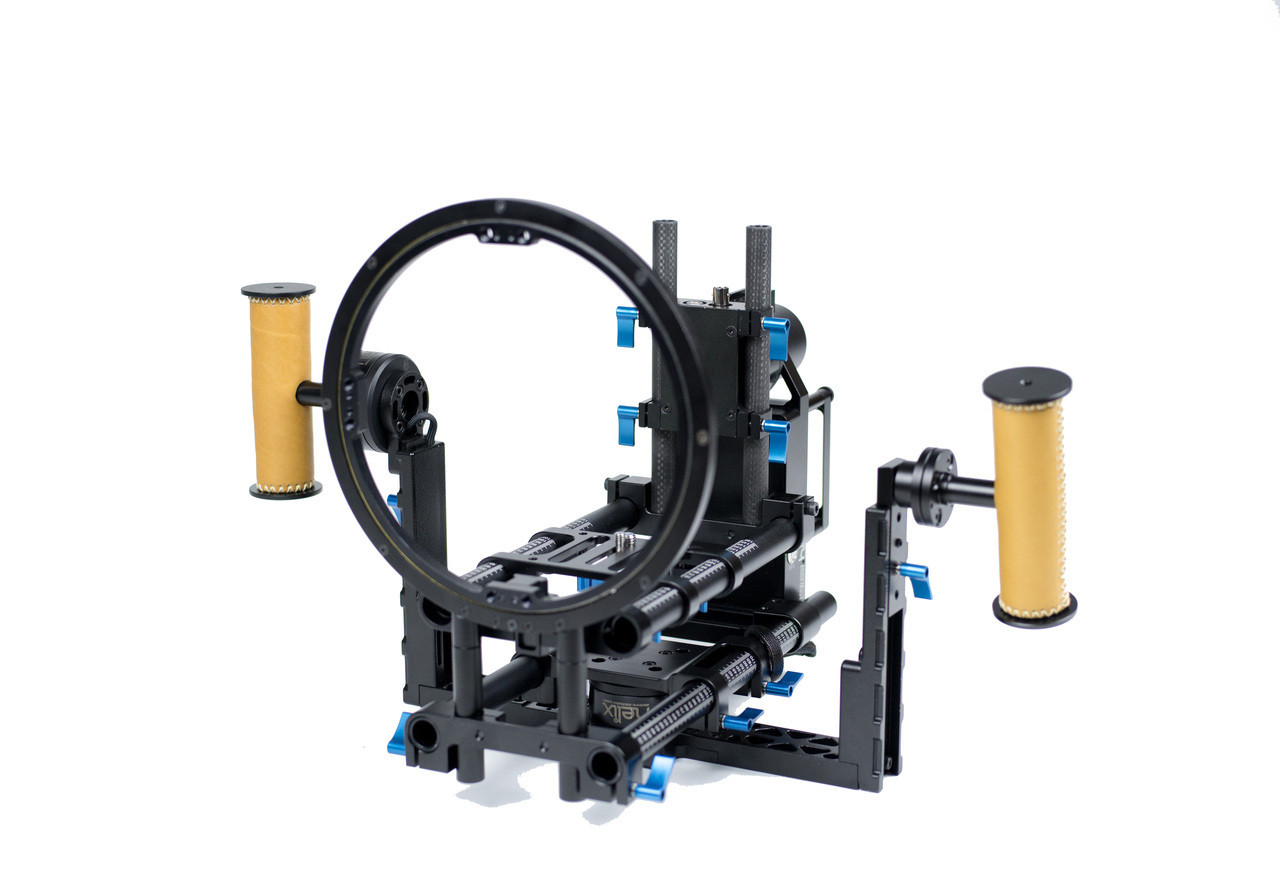
Letus sells the upgrade rather than making you buy the whole system again. If you own a Helix Standard, this takes it to PRO spec. Worth asking us about before you shop for a replacement gimbal — the upgrade is usually a fraction of a new purchase.
See the Helix Standard to Helix PRO upgrade →The question to ask yourself
Do your shots need the camera to move smoothly, or do they need the horizon to stay level? Almost everyone answers “level horizon” once they think about their actual footage rather than their showreel ambitions. Start at 1 axis. Add axes when a specific shot demands it, not before.
No sales tax. Letus builds and ships from Portland, Oregon, and Oregon has no state sales tax — the price you see is the price you pay. Not sure which configuration fits your camera? Message our team on WhatsApp and describe your rig.